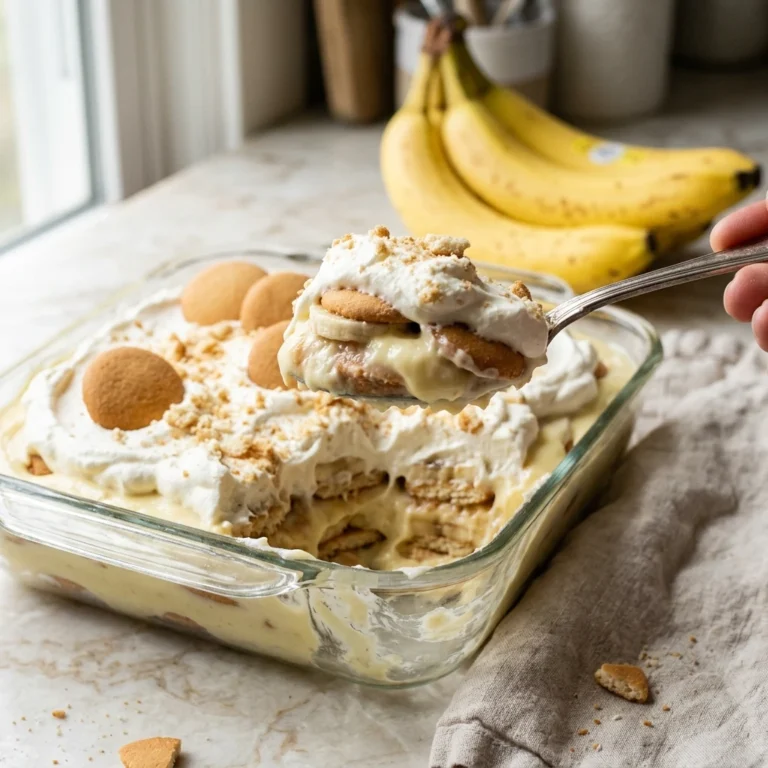
Soft and Chewy Snickerdoodle Cookies With a Crackly Cinnamon Sugar Top
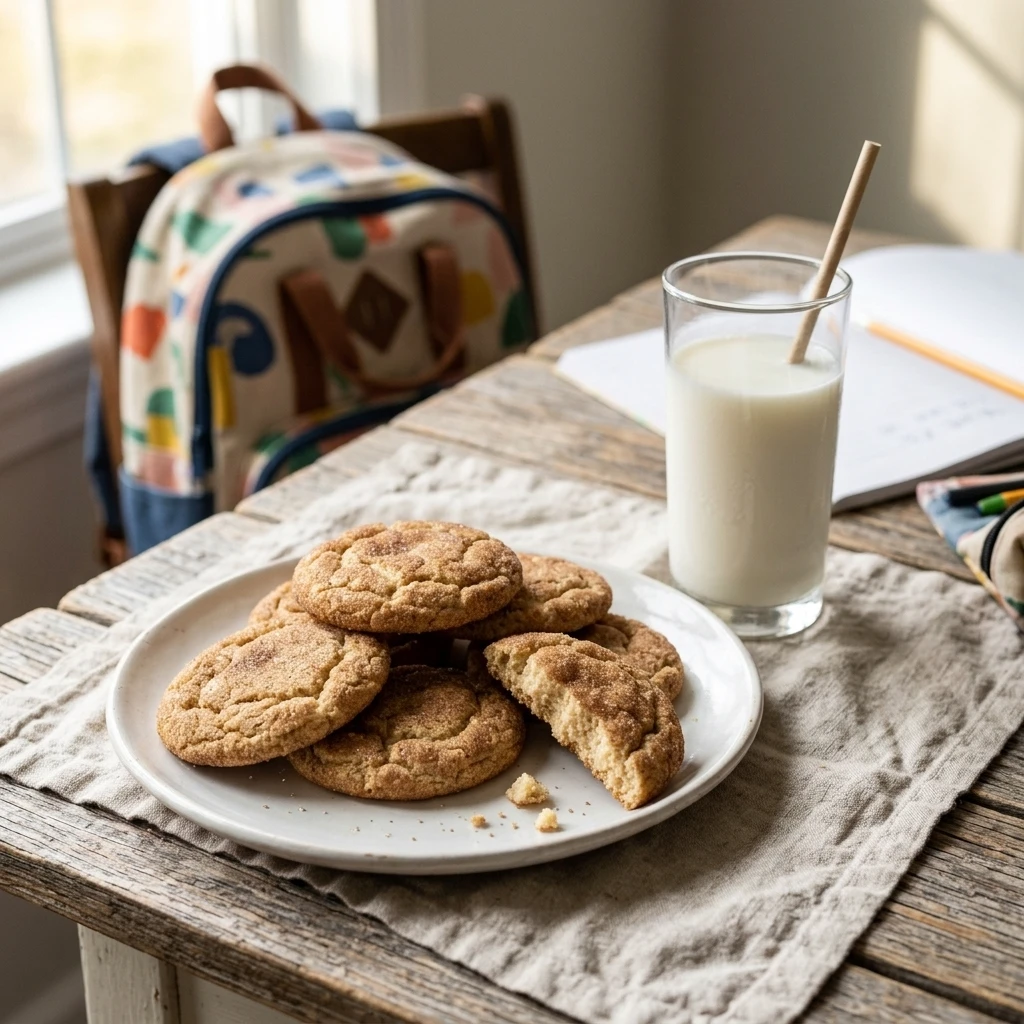
A good snickerdoodle crackles on top, bends a little in the middle, and tastes like cinnamon toast with a faint tang at the end. Most batches I tried before writing this one missed at least one of those three. These snickerdoodle cookies hit all of them.
I baked this recipe nine times over three weeks and changed one thing per batch: butter temperature, flour weight, chill time, and oven heat. The winning version uses cream of tartar for tang, a 30-minute chill to keep the cookies tall, and a thick cinnamon sugar coat that bakes into a crackly shell. You get 24 snickerdoodle cookies from plain pantry staples, ready in about 70 minutes.
My daughter asked for these three days in a row, and the last tray was empty before dinner. I kept notes on every batch, and those notes are why the steps below are so specific. Below is everything that made the difference, from butter softness to the exact moment to pull the pan.
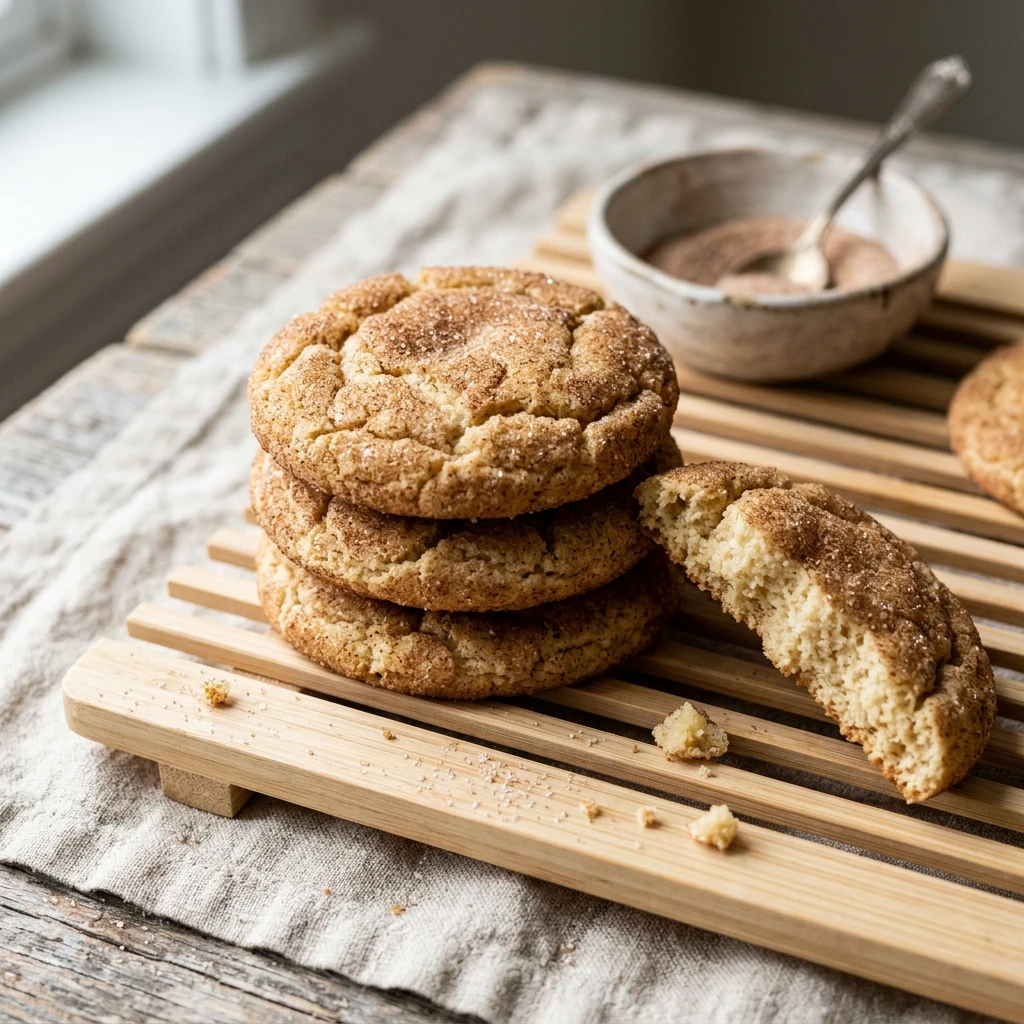
Table of Contents
Why You Will Love These Snickerdoodle Cookies
- Crisp edges, soft centers, and a deep crackle on top that stays put after cooling.
- Only 20 minutes of hands-on work, with a short chill doing the rest.
- Plain pantry ingredients, plus cream of tartar from the spice aisle.
- Dough balls freeze for 3 months, so a warm cookie is never more than 15 minutes away.
- No nuts or chips to pick around, so kids tend to eat them without negotiating.
Recipe Snapshot
- Prep Time: 20 minutes
- Chill Time: 30 minutes
- Cook Time: 20 minutes
- Total Time: 1 hour 10 minutes
- Servings: 24 cookies
- Difficulty: Easy
- Calories per Serving: About 190
- Key Ingredient: Cream of tartar
- Best For: Cookie boxes, bake sales, and after school snacks
Nutrition Information
- Calories per Serving: About 190
- Protein: 2 g
- Carbs: 27 g
- Fat: 8 g
- Fiber: 1 g
- Sugar: 15 g
- Sodium: 108 mg
- Serving Size: About 1 cookie
- Servings per Recipe: 24
These snickerdoodle cookies are mostly carbohydrate and butter fat, with about 2 grams of protein per cookie from the eggs and flour. Sugar lands at 15 grams, split between the dough and the cinnamon coating. Nearly all of the 108 milligrams of sodium comes from the baking soda and salt.
Nutrition values are approximate and calculated per serving using standard ingredient amounts. Values may vary based on brands used and portion sizes.
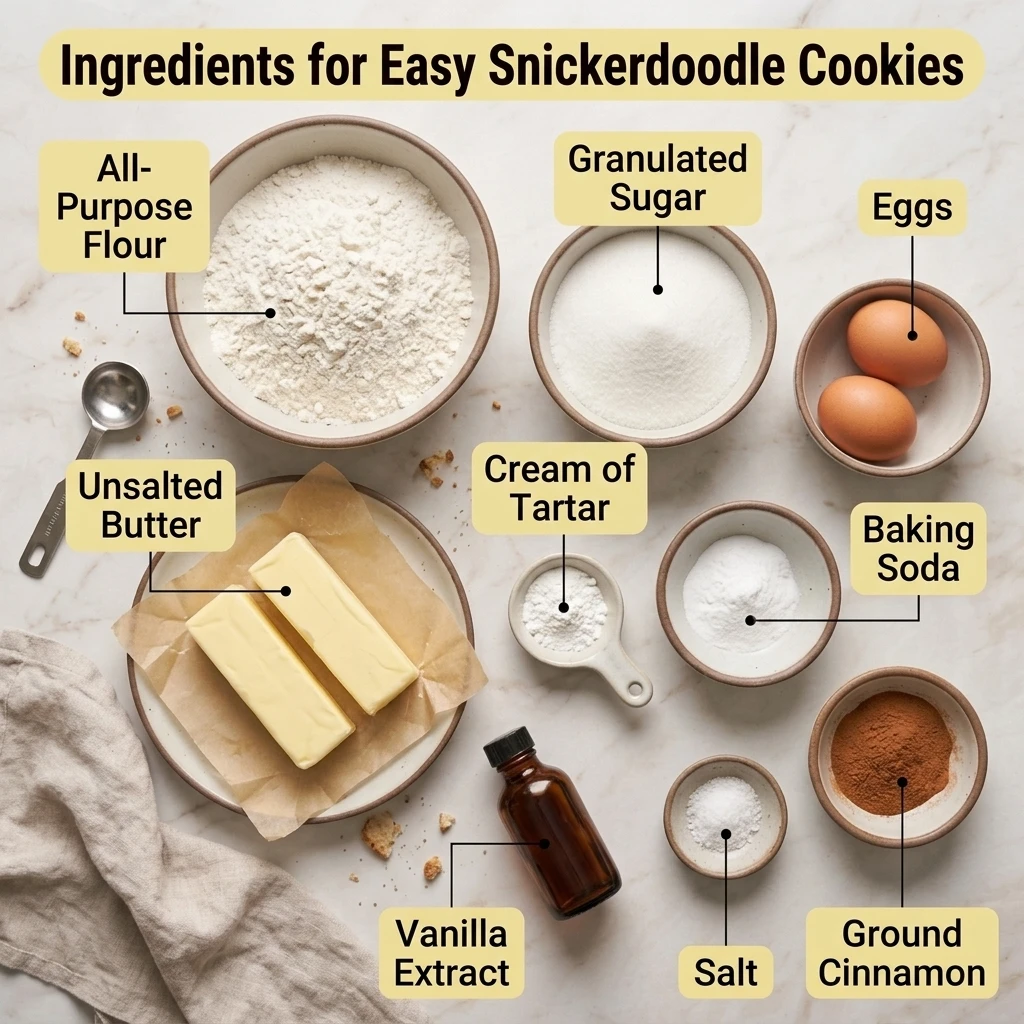
Ingredients for Snickerdoodle Cookies
For the Dough
- 2 3/4 cups (344 g) all-purpose flour, spooned and leveled
- 2 teaspoons cream of tartar
- 1 teaspoon baking soda
- 1/2 teaspoon fine salt
- 1 teaspoon ground cinnamon
- 1 cup (227 g) unsalted butter, softened
- 1 1/2 cups (300 g) granulated sugar
- 2 large eggs, room temperature
- 2 teaspoons alcohol-free vanilla extract
For the Cinnamon Sugar Coating
- 1/3 cup (67 g) granulated sugar
- 1 tablespoon ground cinnamon
Three ingredients decide the result. Cream of tartar is the acid that reacts with baking soda to lift the dough and give snickerdoodle cookies their classic tang, so leaving it out changes both flavor and texture. King Arthur all-purpose flour gave me the steadiest chew, and weighing it keeps the dough from turning cakey.
Butter should be at 65 to 67°F, cool enough to hold its shape. For dairy-free cookies, use plant-based butter sticks in the same amount. Gluten-free flour swaps are in the variations below.
Equipment Needed
- Stand mixer or hand mixer: keep it on medium so you do not whip in extra air.
- Two rimmed baking sheets (13 by 18 inches): light colored pans brown the bottoms more evenly than dark ones.
- Parchment paper: skip nonstick spray, which encourages spreading.
- 2 tablespoon cookie scoop: equal sizes finish at the same minute.
- Wire cooling rack: cookies left on a hot pan keep baking and turn crunchy.
- Digital kitchen scale: weighs 344 grams of flour in 10 seconds.
Preparation
- Soften the butter on the counter for 45 minutes, until a fingertip leaves a dent without sinking in.
- Set the eggs in a bowl of warm tap water for 10 minutes so they mix in smoothly.
- Heat the oven to 375°F with a rack in the center, and line two baking sheets with parchment.
- Stir 1/3 cup sugar and 1 tablespoon cinnamon together in a shallow bowl.
- Weigh the flour and measure everything else before mixing.
Pro Tip: Weigh your flour. A cup scooped straight from the bag packs tight and can add 1/4 cup of extra flour across the batch, which is the fastest way to dry, cakey snickerdoodle cookies.
Step-by-Step Instructions for Snickerdoodle Cookies
- Whisk the flour, cream of tartar, baking soda, salt, and 1 teaspoon cinnamon in a medium bowl for 30 seconds. Chef’s Note: whisking works as well as sifting here and saves a dirty bowl. The mixture should look evenly tan with no clumps.
- Beat the butter and 1 1/2 cups sugar on medium speed for 2 minutes. Chef’s Note: stop at 2 minutes, because longer beating whips in air that collapses in the oven. The mixture should look pale yellow and fluffy, like thick frosting.
- Beat in the eggs one at a time, then the vanilla, mixing 30 seconds after each. The batter should look smooth and glossy with no streaks of egg.
- Add the dry mixture in two additions on low speed, mixing 20 seconds each time. Chef’s Note: stop when a few flour streaks remain and fold the rest in by hand so the dough stays tender. The dough should look thick, soft, and slightly sticky with no dry pockets.
- Cover the bowl and chill the dough for 30 minutes. The dough should feel cool and hold a dent when you press it.
- Scoop 2 tablespoons of dough, roll it smooth, and coat it in the cinnamon sugar. Chef’s Note: use a level scoop so every ball weighs about the same. Each ball should look fully covered in a thick, sandy layer of sugar.

- Place 12 balls on each lined sheet, 2 1/2 inches apart. Keep the second sheet in the refrigerator while the first one bakes. The balls should sit round and tall, not flattened.
- Bake one sheet at a time on the center rack at 375°F for 9 to 11 minutes. Pull the pan when the edges look set with a thin golden rim. The tops should be puffed and cracked while the centers still look soft and slightly underbaked.
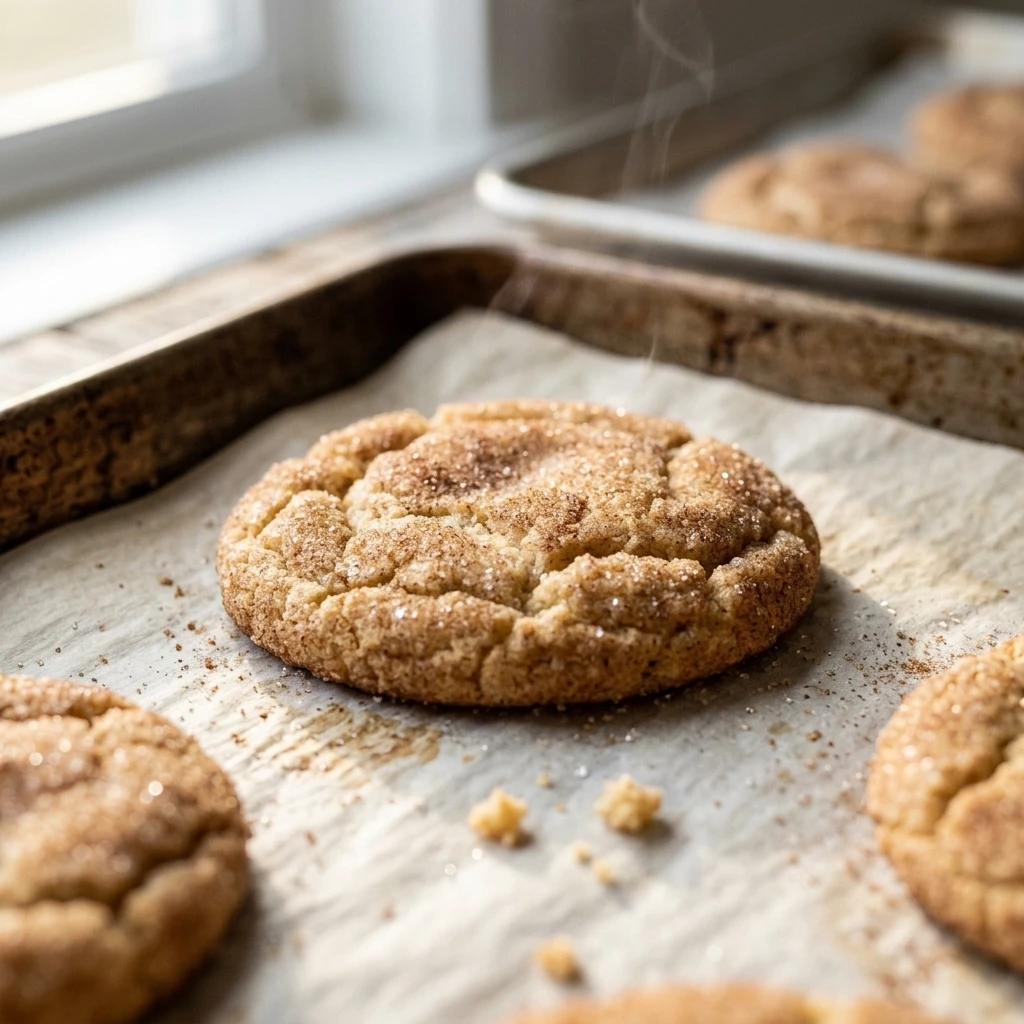
- Cool the cookies on the hot pan for 5 minutes, then move them to a wire rack for 10 minutes. The cracks will deepen and the centers will firm up as they settle.
Expert Tips and Tricks
- On batch four I set the butter beside the warm stove to speed things up. It turned greasy, and the cookies melted into one giant sheet.
- Roll and coat the dough balls up to 24 hours ahead, cover the tray tightly, and refrigerate. Bake straight from the fridge and add 1 minute.
- Layer cooled snickerdoodle cookies with parchment in the container so the cinnamon sugar does not rub off. They stay good for 4 days.
- For a chewier cookie, tap the pan once on the counter right after it leaves the oven. The puffed centers drop and the tops wrinkle.
- Measure the dry ingredients and mix the cinnamon sugar the night before, so a weeknight batch starts with the butter.
Common Mistakes and Troubleshooting
Cookies spread flat. Warm butter or an oven below 375°F melts the dough before the edges set. Start with butter at 65 to 67°F, chill 30 minutes, and check the oven with a thermometer. If a tray still spreads, chill the rest 15 more minutes.
Cookies turn hard. Overbaking dries them out, and the hot pan keeps cooking them after you pull it. Take them out while the centers look soft. If they already hardened, crumble them over ice cream.
Tops stay smooth with no crackle. Too much flour or tired leavening keeps the dough from puffing and settling. Weigh 344 grams of flour. Test baking soda by stirring 1/2 teaspoon into 2 tablespoons of vinegar, which should fizz hard.
A soapy or metallic taste. Too much baking soda or an uneven mix leaves bitter pockets. Level your spoons and whisk the dry ingredients for the full 30 seconds.
Bottoms brown too fast. Dark pans and low racks concentrate heat underneath. Use light colored sheets on the center rack, and move a pan up one rack if the bottoms darken before the tops crack.
Storage Instructions
Room Temperature: Store snickerdoodle cookies up to 4 days in an airtight container, layered with parchment, away from the stove and sunlight.
Refrigerator: Not needed, but baked cookies keep up to 1 week in an airtight glass container. They firm up slightly in the cold.
Freezer: Freeze baked snickerdoodle cookies up to 3 months in a freezer-safe zip bag with the air pressed out. Unbaked coated dough balls also keep 3 months, then bake from frozen at 375°F for 11 to 13 minutes.
Reheating: Warm cookies on a baking sheet at 300°F for 4 to 5 minutes. For a stale cookie, wrap it in a damp paper towel and microwave it for 8 seconds to restore softness.
Make-Ahead Notes: Keep the covered dough in the refrigerator up to 24 hours. If it chills longer, roll the balls in cinnamon sugar just before baking.
I freeze dough balls on a tray for an hour before bagging them. They never clump, and I can pull out exactly 6 on a school night without thawing the whole batch.
Storage Trick: Tuck half a slice of sandwich bread into the container. The cookies trade moisture with the bread and stay soft for the full 4 days.
Variations and Substitutions
Spicy: Stir 1/4 teaspoon cayenne into the cinnamon sugar. The heat shows up after the sweetness, much like Mexican hot chocolate.
Mild and Kid-Friendly: Use 1 tablespoon of dough per ball, bake 7 to 9 minutes, and cut the coating cinnamon to 2 teaspoons. You get about 48 mini snickerdoodle cookies.
Vegetarian and Dairy-Free: The base recipe is already vegetarian. For dairy-free, use plant-based butter sticks and chill the dough 10 extra minutes.
Gluten-Free: Swap the flour 1 to 1 for a gluten-free baking blend that already contains xanthan gum. Bake the same time, checking at 9 minutes.
What to Serve With This
- Cold milk: a tall glass cuts the sweetness and softens the cinnamon.
- Hot chocolate: a mug of easy hot chocolate with real chocolate and cocoa turns these snickerdoodle cookies into a full dessert.
- Cookie plate: add chocolate chip cookies and soft gingerbread cookies for a mixed tray, since the cinnamon sits well beside both.
- Vanilla ice cream: press a scoop between two cooled cookies for an instant sandwich.
- Chai or black coffee: the bitterness balances the sugar.
Frequently Asked Questions
Why are my snickerdoodles cakey and puffy instead of chewy?
Too much flour is the usual cause. A cup scooped from the bag packs tight, so spoon the flour into the cup and level it, or weigh 344 grams. Beating the butter and sugar past 2 minutes also whips in air that makes the dough rise like cake. Pull the pan while the centers still look soft, and your snickerdoodle cookies will settle into a chewy crinkle.
Can I make snickerdoodle cookies without cream of tartar?
Yes, but they come out softer and lose most of their tang. Replace both the cream of tartar and the baking soda with 2 teaspoons of baking powder and keep everything else the same. Baking powder carries its own acid, so it lifts the dough on its own. Do not use baking soda alone, because with no acid to balance it the cookies taste soapy and brown too fast.
Can you freeze snickerdoodle cookie dough?
Yes, and it freezes better than most doughs. Roll the balls, coat them in cinnamon sugar, and freeze them on a parchment lined tray for 1 hour. Move them to a freezer bag, press out the air, and store them up to 3 months. Bake from frozen at 375°F for 11 to 13 minutes. Baked snickerdoodle cookies also freeze for 3 months.
How do you know when snickerdoodles are done if the tops still look raw?
Check the bottom, not the top, which looks underdone even when the cookie is ready. Lift one cookie with a spatula after 9 minutes. A light golden bottom means your snickerdoodle cookies are done, and the soft top will firm up on the hot pan. A deep brown bottom means it is overbaked. If your pan is dark, start checking at 8 minutes, because dark metal browns the bottoms faster.
Do I really have to chill snickerdoodle dough?
For this recipe, yes. The dough holds a full cup of butter, and cold butter melts slowly in the oven, so snickerdoodle cookies spread less and keep thick, cracked tops. Skip it and you get thinner cookies with crisper edges. In a hurry, roll the balls first and chill them on the tray, since small balls cool faster than a bowl of dough.
Final Thoughts on Snickerdoodle Cookies
Snickerdoodles reward small habits: soft but cool butter, flour measured by weight, and a pan pulled one minute early. Get those three right and the recipe forgives almost everything else. If a batch ever goes wrong, change one thing, bake again, and write down what you did.
I keep a bag of dough balls in my freezer for the nights when someone needs a treat for school the next morning. Fifteen minutes later the kitchen smells like cinnamon toast, and nobody asks where dessert is.
If you loved this recipe, save it to your cookie recipes Pinterest board so you can find it easily later!
Soft and Chewy Snickerdoodle Cookies With a Crackly Cinnamon Sugar Top
Ingredients
Equipment
Method
- Heat the oven to 375°F with a rack in the center and line two baking sheets with parchment. Stir the coating sugar and cinnamon together in a shallow bowl until evenly tan.
- Whisk the flour, cream of tartar, baking soda, salt, and 1 teaspoon cinnamon for 30 seconds until evenly tan with no clumps.
- Beat the butter and 1 1/2 cups sugar on medium speed for 2 minutes until pale yellow and fluffy.
- Beat in the eggs one at a time, then the vanilla, mixing 30 seconds after each until smooth and glossy.
- Add the dry mixture in two additions on low speed, 20 seconds each. Stop when a few streaks remain and fold in the rest by hand until the dough is thick, soft, and slightly sticky.
- Cover and chill the dough for 30 minutes until cool and able to hold a dent.
- Scoop 2 tablespoons of dough, roll it smooth, and coat it in the cinnamon sugar until fully covered in a thick, sandy layer.
- Place 12 balls on each sheet, 2 1/2 inches apart, and keep the second sheet in the refrigerator while the first bakes.
- Bake one sheet at a time on the center rack at 375°F for 9 to 11 minutes, until the edges are set with a thin golden rim and the tops are puffed and cracked with soft centers.
- Cool on the hot pan for 5 minutes, then on a wire rack for 10 minutes, until the cracks deepen and the centers firm up.
Notes
No cream of tartar: replace it and the baking soda with 2 teaspoons baking powder. The cookies will be softer with less tang.
Storage: room temperature up to 4 days, refrigerator up to 1 week, freezer up to 3 months (baked cookies or unbaked coated dough balls).